
Environment · Social · Governance
Responsibility Is Built Into the Process.
Lead recycling is a controlled-exposure industry operating under statutory environmental and safety regulation. What follows describes the systems in place — figures are published only once verified.
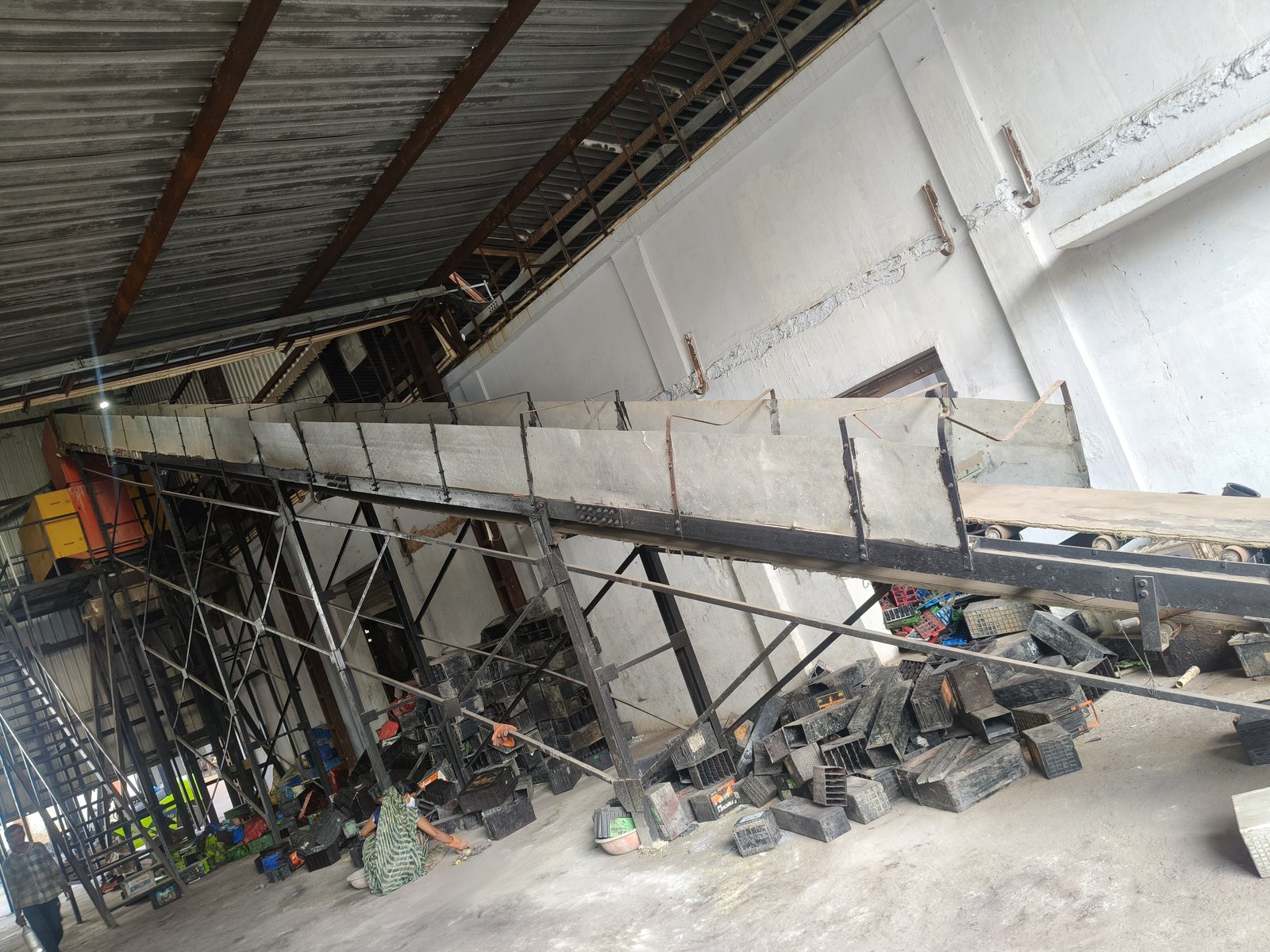
01
Environmental Responsibility
Pollution control is not a department here. It is a stage of the process, sitting between refining and dispatch.
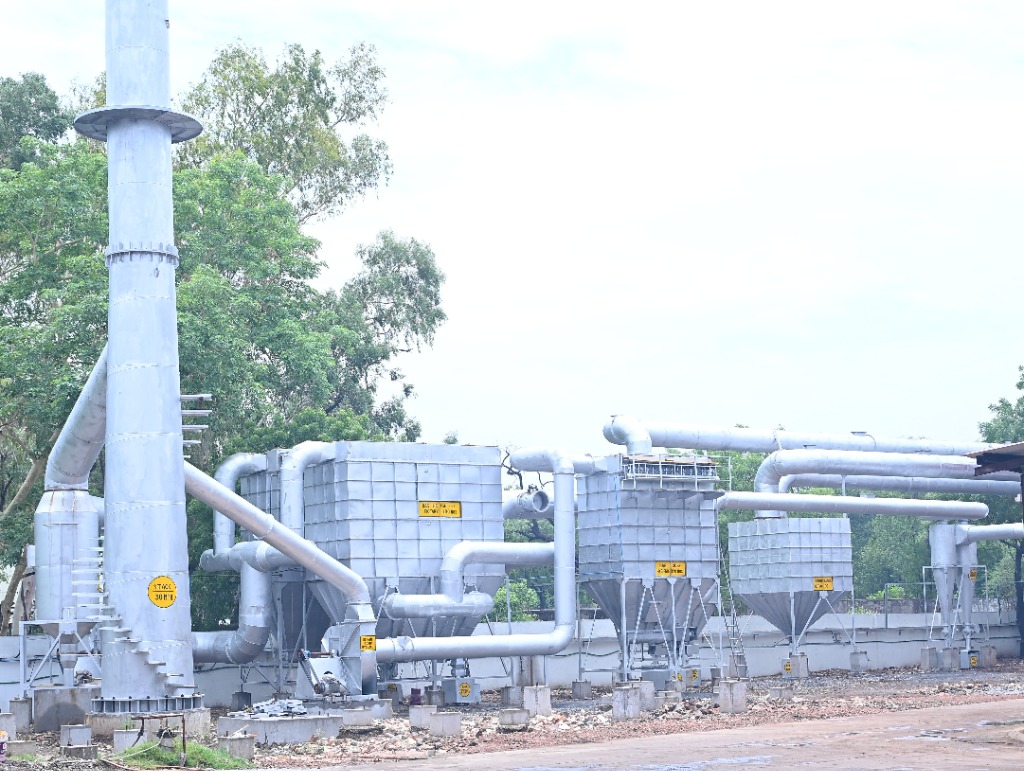
E · Environmental Responsibility
- Air pollution control
- Emissions controlled through bag filters and chimneys built to the prescribed stack height, with continuous environmental monitoring.
- Effluent treatment & zero liquid discharge
- Battery acid is neutralised using approved chemicals and treated effluent is routed to the Effluent Treatment Plant, supporting zero liquid discharge practices.
- Hazardous waste management
- Slag and dust are disposed of through authorised recyclers; separated plastic is sent for recycling.
- Energy efficiency
- Energy efficiency and emission reduction initiatives across the smelting and refining operations.
03
Governance
Compliance-first is a commercial position, not a legal one. Customers and lenders both audit the same paperwork.
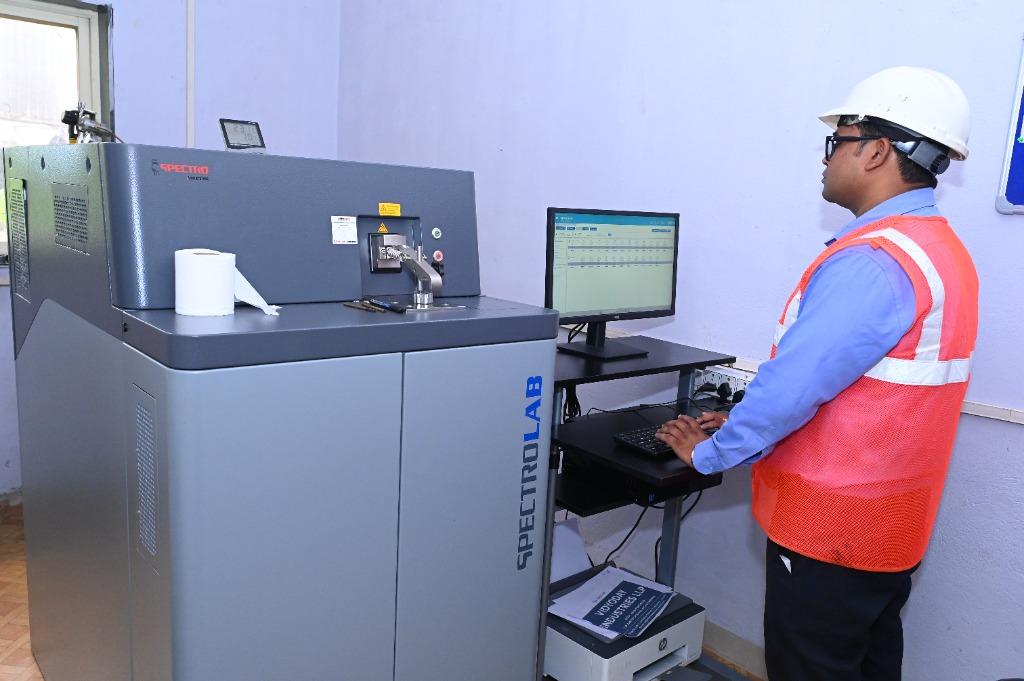
G · Governance
- Regulatory compliance
- Full compliance with environmental and labour laws applicable to the operation.
- Transparent operations
- Transparent operations and ethical business practices across sourcing, processing and supply.
- Audits & monitoring
- Regular audits and monitoring of operations, environmental performance and material handling.
- Risk & compliance framework
- A risk and compliance framework governing material sourcing, processing and dispatch.
Safety Is Part of the Process
Systems and controls in operation. No safety statistics are published here; incident and exposure data is released only where it is documented and verified.
Where Our Materials Come From Matters
Responsible recycling begins before material reaches the furnace.
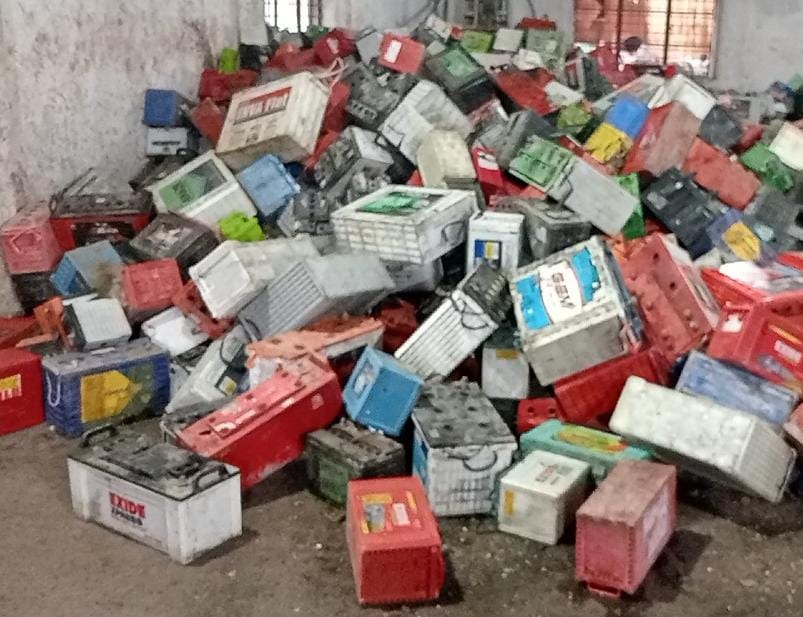
Before the furnace
- 01
Compliance
Materials sourced through appropriate channels.
- 02
Traceability
Supplier and material information maintained according to applicable requirements.
- 03
Safety
Hazardous materials handled through controlled procedures.
- 04
Transparency
Commercial and material assessment based on defined parameters.
- 05
Responsible Recovery
Focus on recovering maximum useful value while managing associated materials appropriately.
The circular lead economy
One Material. Multiple Lives.
Lead does not degrade through recycling. Recovered properly, the same metal can carry out one working life after another — which is why recovery matters more here than in almost any other material stream.
Recycling Is the Beginning of Our Responsibility
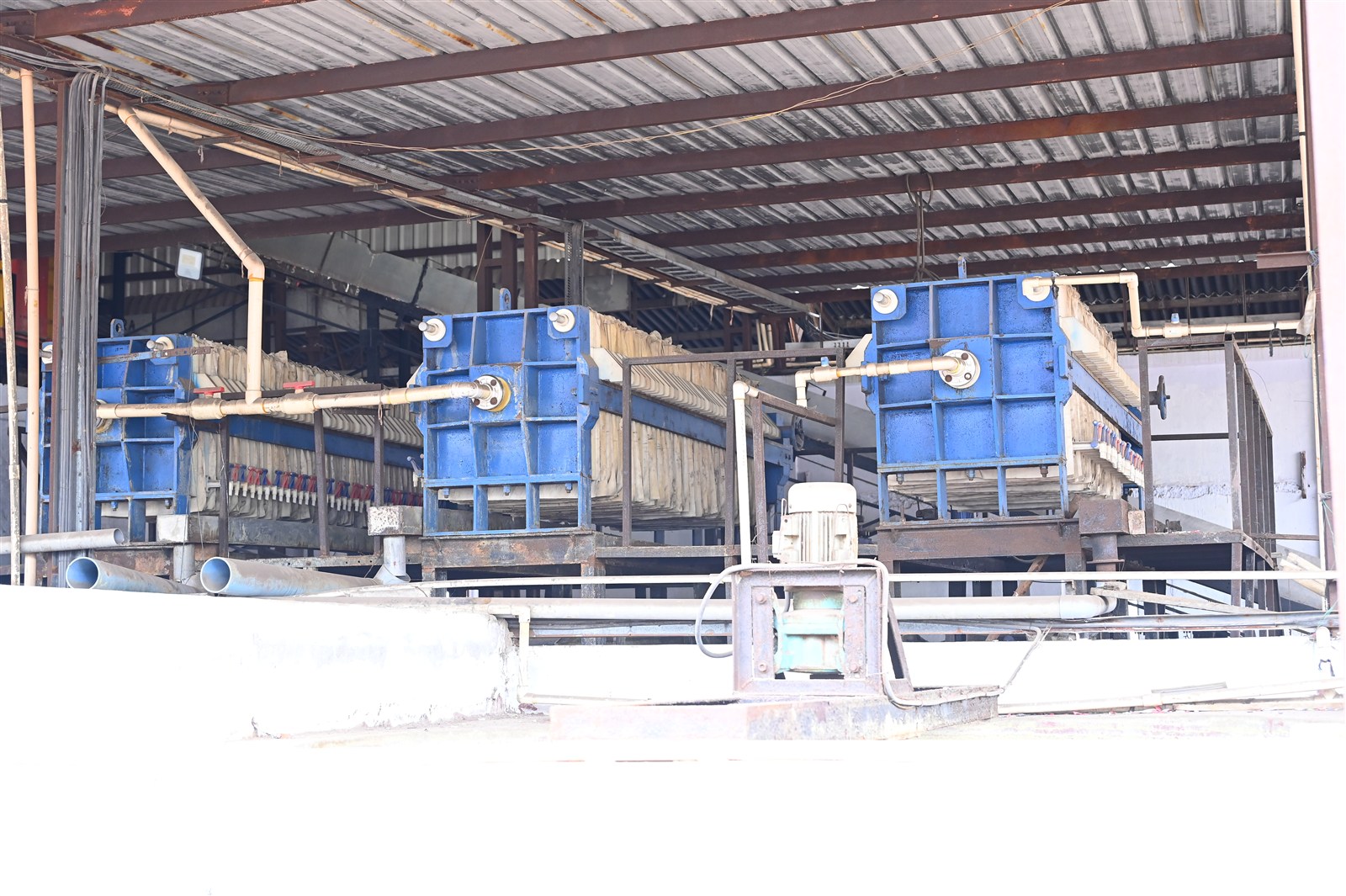
Effluent neutralization & zero discharge
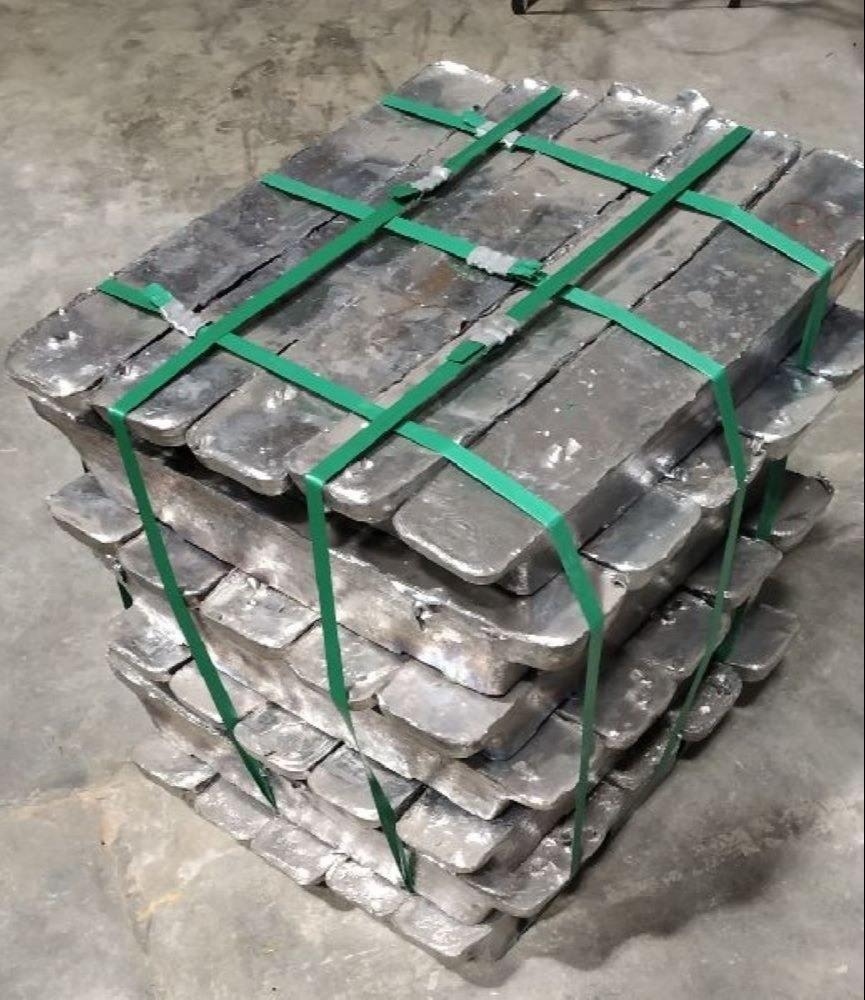
Alloys for changing requirements
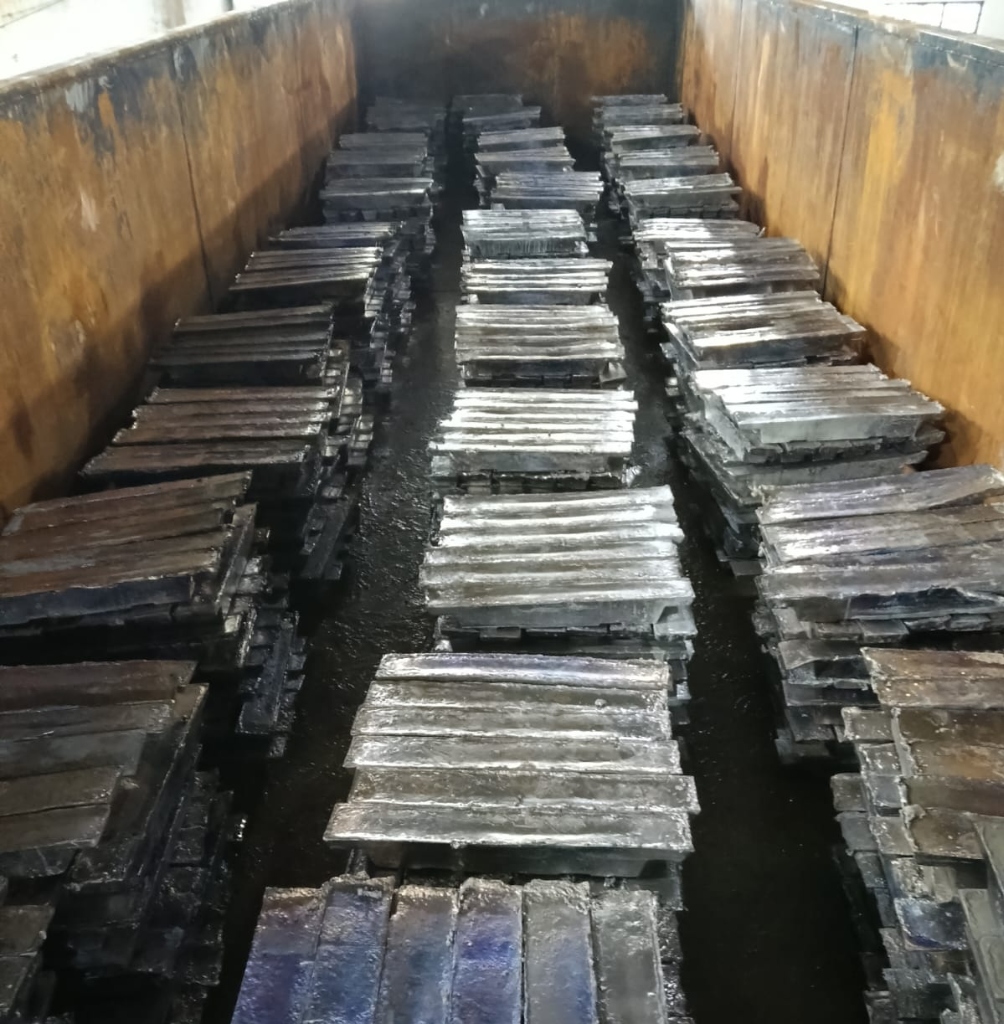
Visibility across material and supply
Resource Recovery
Better recovery from increasingly complex materials.
Process Efficiency
Improving energy, material and operating efficiency.
Product Development
Developing refined lead and alloy solutions for changing customer requirements.
Digital Traceability
Improving visibility across material, quality and supply.
Responsible Growth
Growing capacity without compromising safety, compliance and environmental responsibility.
Our impact
Impact That Can Be Measured
Numbers published here are verified before they appear. Until a figure is confirmed, we show the practice.
Reduced dependence on primary mining
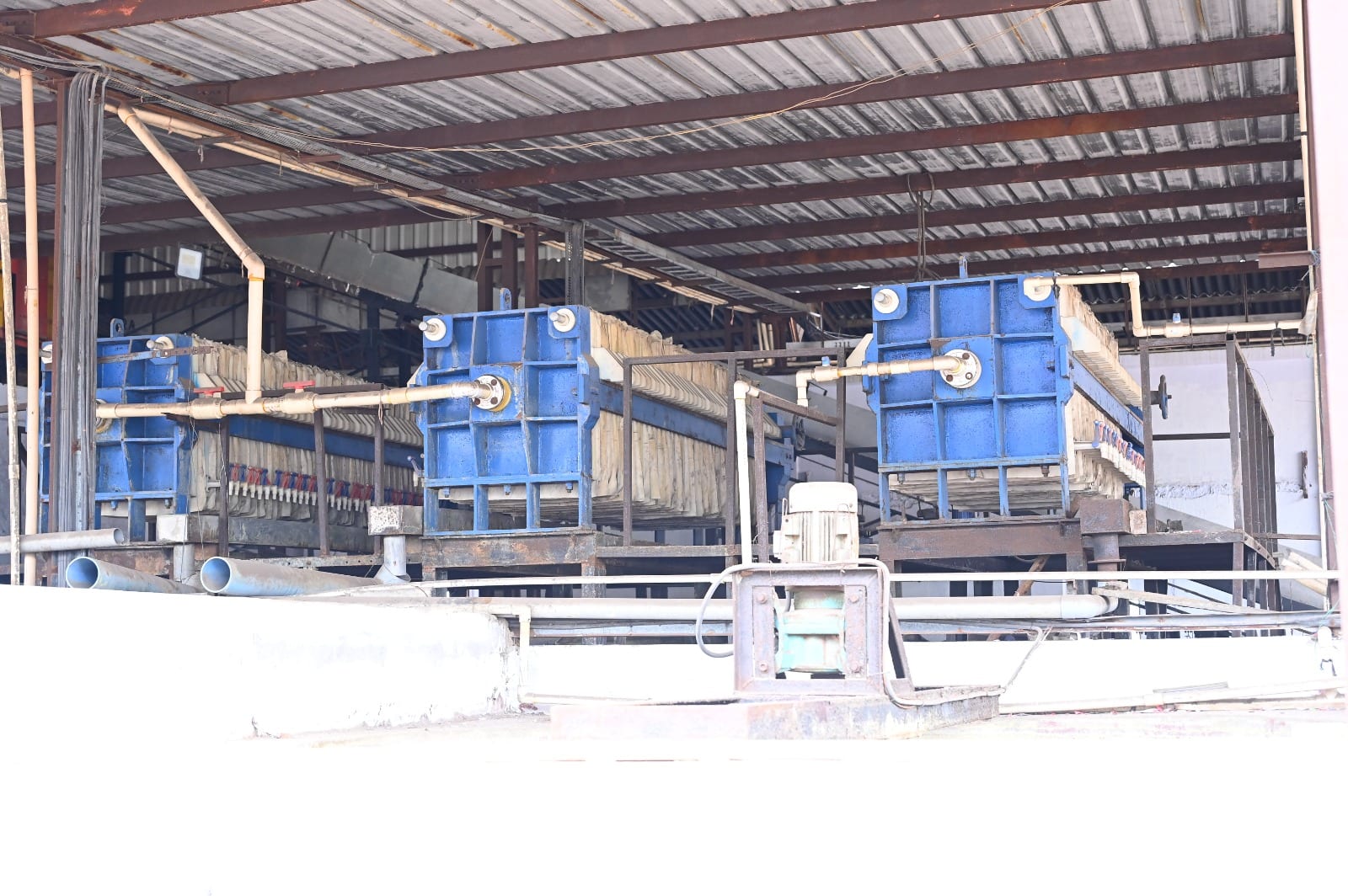
Effluent treatment and zero liquid discharge
Air emissions controlled through bag filters
Slag, dust and plastic to authorised recyclers
02
Social Responsibility
Lead recycling is a controlled-exposure industry. The workplace standard is the licence to operate.
S · Social Responsibility